Buying a Mobility Scooter: A Comprehensive Guide
Mobility scooters have actually become increasingly popular as a means of transport for individuals who might have trouble strolling due to age, disability, or other health conditions. These mobility gadgets are designed to provide self-reliance and ease of travel, whether for outdoor adventures or indoor navigation. However, with a range of choices offered, selecting the best mobility scooter can be frustrating. This post aims to offer an informative guide on buying a mobility scooter, in addition to FAQs to help in the decision-making process.
Comprehending Mobility Scooters
Mobility scooters are electric-powered vehicles that are created to help people with mobility obstacles. They differ in design, size, and functionality to accommodate various requirements. Generally, mobility scooters come with 3 or 4 wheels, a seat for the user, handlebars for steering, and are designed to browse both indoor and outside spaces.
Types of Mobility Scooters
There are usually 3 kinds of mobility scooters, each dealing with specific needs:
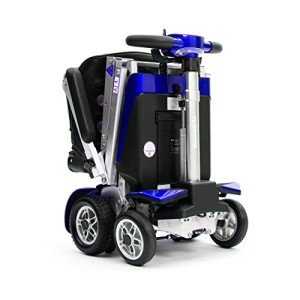
Portable/Travel Scooters:
- Lightweight and collapsible for easy transportation.
- Best for short distances and travel.
- Minimal weight capability and range.
Mid-sized Scooters:
- Offers a balance in between mobility and efficiency.
- Ideal for everyday outdoor usage.
- Appropriate weight capacity and range.
Durable Scooters:
- Designed for rougher terrains and heavier individuals.
- Typically have higher weight capabilities and longer battery life.
- Features bigger wheels and may consist of advanced suspension systems.
| Type | Features | Best For |
|---|---|---|
| Portable/Travel | Lightweight, collapsible | Brief distances, travel |
| Mid-sized | Balance of portability and efficiency | Daily outside use |
| Heavy-duty | Greater weight capacity, rugged style | Rough surfaces, much heavier individuals |
Key Considerations When Buying a Mobility Scooter
When choosing a mobility scooter, numerous factors should be thought about to ensure the best fit for specific needs. Below is a list of essential factors to consider:
Weight Capacity:
- Ensure the scooter can support the user's weight comfortably to prevent damage and guarantee safety.
Range:
- Consider how far you will be traveling on a single charge. Battery range can differ from around 10 to over 35 miles.
Size:
- Assess the measurements to determine whether the scooter can fit through entrances and into cars.
Surface:
- Evaluate where the scooter will mostly be utilized (pavement, turf, rough surface) and select a model developed for those conditions.
Storage Space:
- If the scooter requires to be stored in a small area, size might be a vital aspect.
Functions and Accessories:
- Look for vital functions like adjustable seats, armrests, storage baskets, and lights.
Cost:
- Mobility scooters can range anywhere from a couple of hundred to a number of thousand dollars. Examine your budget plan and consider funding options if required.
Where to Buy a Mobility Scooter
Mobility scooters can be bought from different sources, each using different advantages. Below is a list of common getting alternatives:
Medical Supply Stores:
- These stores often offer skilled guidance and the chance to check out different models.
Online Retailers:
- Websites like Amazon and specialized medical devices websites offer a vast array of choices, but buyers must ensure they have a return policy in case the item is not suitable.
Direct from Manufacturers:
- Buying directly allows consumers to tailor their scooters, although this might take additional time.
Utilized Equipment Stores:
- Purchasing an utilized scooter can conserve cash, however it's necessary to completely examine the scooter's condition and battery life.
FAQs About Buying a Mobility Scooter
Q: How do I know which size scooter is best for me?
A: The best size depends upon your physical dimensions and where you prepare to use the scooter. Inspect the specifications versus your measurements and think about elements like weight and convenience.
Q: Are mobility scooters covered by insurance?
A: Coverage depends upon your insurance coverage strategy. Medicare may cover scooters under particular medical conditions. It's suggested to check with your supplier ahead of time.
Q: How quick can a mobility scooter go?
A: Most mobility scooters have an optimal speed of around 4 to 8 mph, depending on the design and policies in your location.
Q: What maintenance is needed for mobility scooters?
A: Regular maintenance includes inspecting tire pressure, keeping the battery charged, ensuring connections are clean, and inspecting mechanical parts for wear and tear.
Q: Can I take my mobility scooter on public transportation?
A: Many public transportation systems accommodate mobility scooters, but you should inspect the specific policies of your local transit authority.
Buying a mobility scooter can considerably improve the quality of life for individuals with mobility difficulties by supplying self-reliance and ease of motion. By comprehending the types readily available and considering crucial aspects such as weight capacity, range, and desired usage, potential purchasers can make informed decisions. With Visit Home Page and consideration, one can find the perfect mobility scooter to best fit their needs, enabling them to navigate the world around them with confidence.